
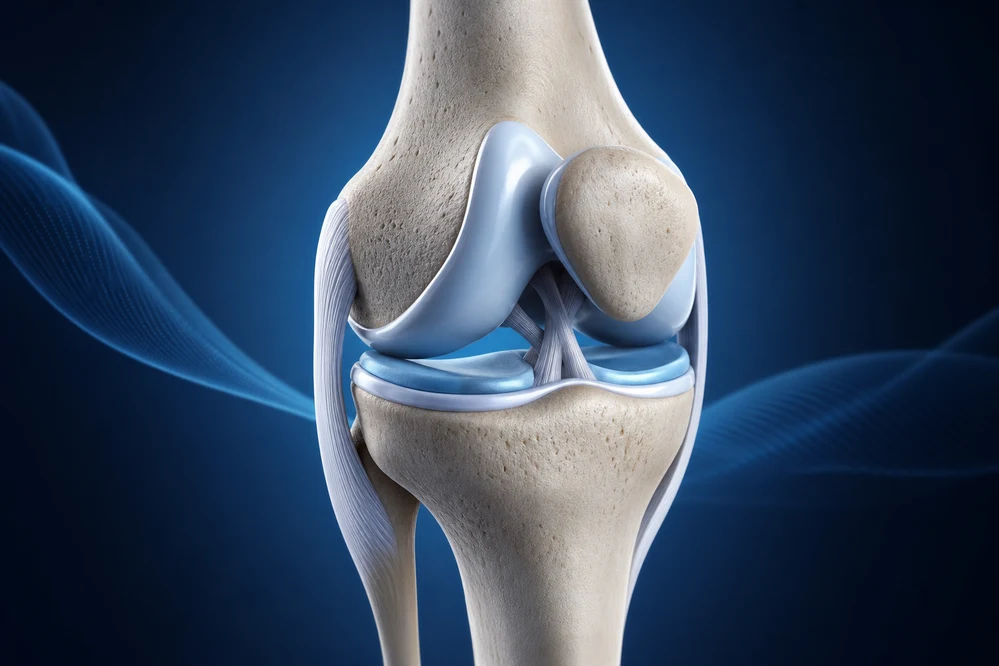
Osteoarthritis is one of the most common forms of arthritis, affecting millions of people across the UK. Understanding the signs of osteoarthritis is crucial for early diagnosis and effective management of this condition. As an orthopaedic surgeon, I often encounter patients who overlook these signs until their symptoms become severe. In this blog post, we will explore the key indicators of osteoarthritis, how they progress, and what steps you can take if you recognise these symptoms in yourself or a loved one.
What is Osteoarthritis?
Osteoarthritis (OA) is a degenerative joint disease characterised by the breakdown of cartilage, the protective tissue at the ends of bones. This deterioration leads to pain, stiffness, and reduced mobility. While OA can affect any joint in the body, it most commonly impacts the knees, hips, hands, and spine. It is often associated with ageing, but other factors such as genetics, obesity, and previous joint injuries can also contribute to its development.
Common Signs of Osteoarthritis
Recognising the signs of osteoarthritis is essential for seeking timely treatment. Below are the most common symptoms that you should not ignore:
1. Joint Pain
One of the hallmark symptoms of osteoarthritis is persistent joint pain. You may notice that the pain worsens with activity and improves with rest. This pain can feel sharp or dull, depending on the severity of the condition. According to a study published by the National Institute of Health, approximately 80% of people with osteoarthritis experience joint pain at some point.
2. Stiffness
Joint stiffness is another common sign, particularly after periods of inactivity. Many people experience stiffness after waking up in the morning or after sitting for long periods. This stiffness usually lasts for less than 30 minutes, distinguishing it from other types of arthritis. In fact, research indicates that about 33% of individuals with OA report stiffness lasting longer than this.
3. Swelling and Inflammation
As the joint lining becomes inflamed due to cartilage breakdown, swelling may occur. You may notice that the affected joint appears larger or feels warm to the touch. This swelling can be accompanied by pain and stiffness.
4. Reduced Range of Motion
Osteoarthritis can lead to a decreased range of motion in the affected joints. You may find it increasingly difficult to perform everyday activities such as bending, lifting, or reaching. This reduction in mobility can significantly impact your quality of life.
5. Crepitus
Crepitus refers to a grating or crackling sound that you might hear or feel in your joints as you move them. This phenomenon occurs due to the roughened surfaces of the bones rubbing against each other as the cartilage wears away.
6. Bone Spurs
As osteoarthritis progresses, your body may respond by forming bone spurs, or osteophytes, around the affected joints. These bony projections can cause further pain and discomfort and may be detected through imaging tests such as X-rays.
How Osteoarthritis Progresses
Understanding how osteoarthritis develops can help you recognise its signs more clearly. The progression of OA can be broken down into several stages:
1. Early Stage
In the early stage, the cartilage begins to soften and lose its elasticity. You may experience occasional joint discomfort or stiffness, particularly after activity.
2. Moderate Stage
As the condition progresses, the cartilage continues to wear away, leading to increased pain, swelling, and a noticeable reduction in joint function. You may find that daily activities become more challenging.
3. Advanced Stage
In the advanced stage, significant cartilage loss occurs, and bone begins to rub against bone. This stage is characterised by chronic pain, severe stiffness, and the formation of bone spurs. At this point, surgical intervention may be considered.
When to Seek Medical Advice
If you notice any of the signs of osteoarthritis mentioned above, it is essential to consult a healthcare professional. Early diagnosis can lead to more effective management strategies, including lifestyle changes, physical therapy, and medication. Here are some indicators that you should seek medical advice:
- Persistent joint pain that interferes with daily activities
- Increasing stiffness, especially after rest
- Visible swelling or inflammation in the joints
- Difficulty in performing simple tasks
- Symptoms that worsen over time
Management and Treatment Options
While there is currently no cure for osteoarthritis, various management strategies can help alleviate symptoms and improve quality of life. Treatment options include:
1. Lifestyle Modifications
Adopting a healthier lifestyle can significantly impact your osteoarthritis symptoms. Consider the following:
- Weight Management: Maintaining a healthy weight reduces stress on weight-bearing joints.
- Regular Exercise: Low-impact exercises such as swimming or cycling can improve joint function and reduce pain.
- Healthy Diet: A balanced diet rich in anti-inflammatory foods can support joint health.
2. Physical Therapy
Working with a physical therapist can help you develop an exercise program tailored to your needs. They can also teach you techniques for managing pain and improving mobility.
3. Medications
Over-the-counter pain relievers, such as acetaminophen or nonsteroidal anti-inflammatory drugs (NSAIDs), can help alleviate pain and reduce inflammation. In some cases, your doctor may recommend prescription medications or corticosteroid injections.
4. Surgical Options
If conservative treatments fail to provide relief, surgical options may be considered. These can range from arthroscopy to joint replacement surgery, depending on the severity of the condition and the joints affected.
FAQs About Osteoarthritis
1. Can osteoarthritis be prevented?
While it may not be entirely preventable, maintaining a healthy lifestyle, managing your weight, and protecting your joints during physical activities can reduce your risk.
2. Is osteoarthritis hereditary?
Yes, genetics can play a role in the development of osteoarthritis. If you have a family history of the condition, you may be at a higher risk.
3. How is osteoarthritis diagnosed?
A diagnosis is typically made based on your medical history, a physical examination, and imaging tests such as X-rays or MRI. For further information, refer to the NICE guidelines on osteoarthritis.
4. What can I do at home to manage osteoarthritis symptoms?
Home remedies such as applying heat or cold to affected joints, using over-the-counter pain relievers, and engaging in gentle exercise can help manage symptoms.
Conclusion
Recognising the signs of osteoarthritis is crucial for early intervention and effective management. If you suspect that you or someone you know may be experiencing these symptoms, do not hesitate to seek medical advice. As an orthopaedic surgeon in London, I am dedicated to providing my patients with the best possible care and support throughout their journey with osteoarthritis. Remember, early diagnosis and treatment can make a significant difference in maintaining your quality of life.


